

Welcome to Marusya’s World, a newsletter on simple living, motherhood, and mindful spending. Subscribe below for practical tips on simplifying your home, habits, and budget.

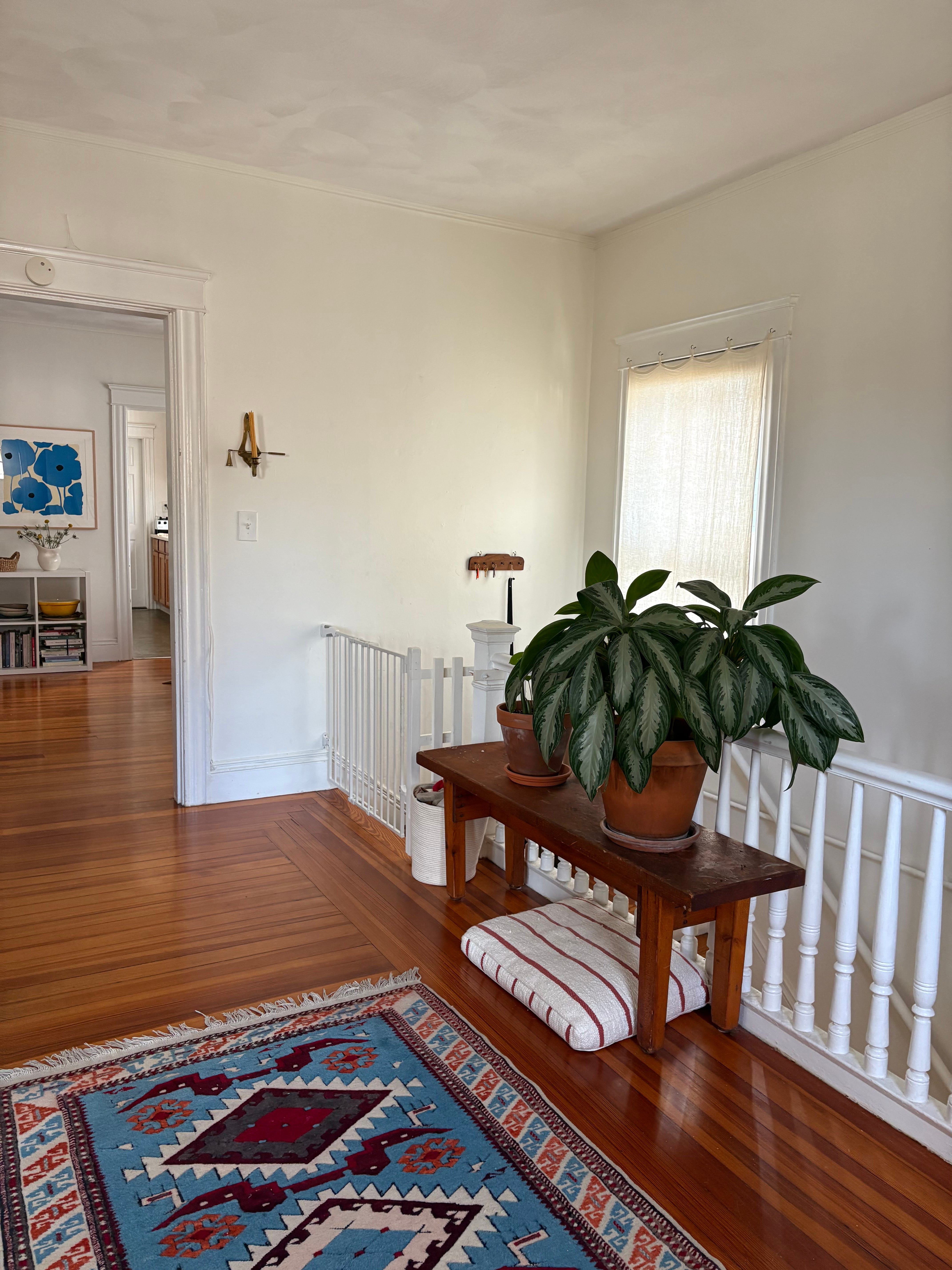
This might sound familiar: a closet full of clothes with ‘nothing to wear’, a pantry full of food with ‘nothing to eat’, a home that seems to get messy immediately after you tidy it. I’ve been there, over and over again, and I eventually came to understand that it’s not laziness or a lack of discipline, it’s excess. Having too much stuff is such a common consequence of modern life that we barely even question it.
Most of us relate to ‘stuff’ on autopilot. We buy what we think we’re supposed to own, and we hold on to it even if we don’t use it, because we spent money on it. We get giddy over good deals and freebies, even if we’d never pay full price for any of it. We accumulate things until our homes start requiring Storage Solutions™, while feeling less like living spaces and more like storage units, with us as storage managers.
But of course there’s another way, and in my experience, decluttering is the most direct route to it. The very first time I remember decluttering was when I was working in fashion design in NYC and found myself with upwards of 20 striped tops, not because I loved them, but because they were free samples left over from development. They were no longer fitting in my closet, so I went through all of them and only kept three that I liked. That simple act was a complete revelation to me, as I stood there looking at my clutter-free closet, feeling surprisingly light and untethered. I knew then that I was hooked.
Soon after, I encountered the perspective that explained why decluttering my closet felt so good: every single thing you own is costing you time (the most precious resource in life), by requiring to be stored, managed, maintained, and cleaned around. Making decluttering a regular life practice means embracing the fact that true wealth isn’t having things, it’s having time. And when you begin decluttering, you won’t just be clearing drawers to make the house tidier - you’ll quite literally be giving yourself your time back.
What I find most fascinating about decluttering is how it quickly moves from just tidying up the house to having you confront your own sense of self-worth, to examine how much you’re willing to protect your peace and push back against our culture of overconsumption. Decluttering is a catalyst. It has been for me, and I know it can be for anyone. Below, I’m sharing everything I’ve learned from years of consistent decluttering, which completely transformed my life.
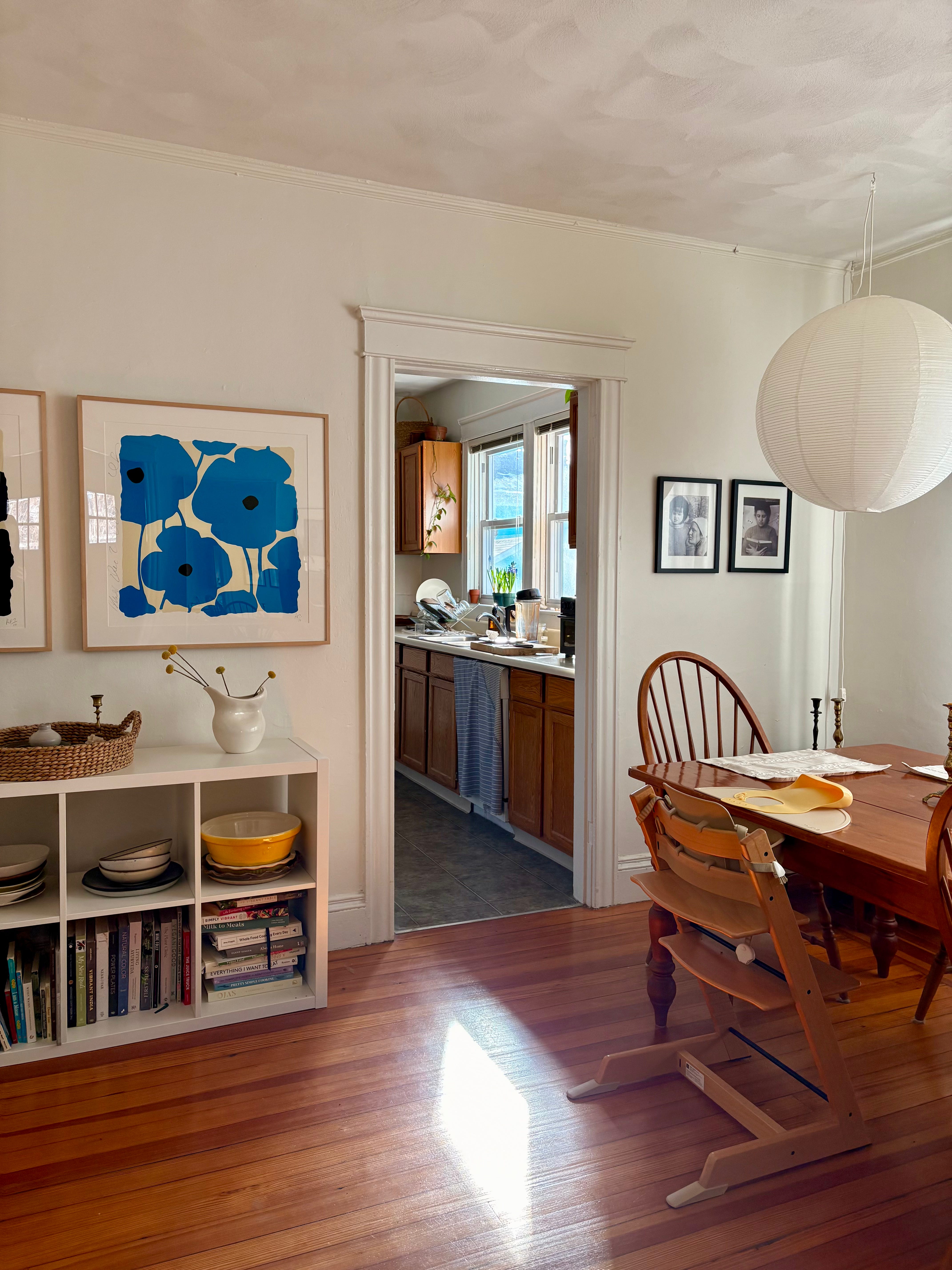
The effects of visual clutter
It’s well documented that clutter is stress-inducing. It can raise cortisol levels and actually take a toll on our health. For everyone, but specially for women, the state of the home nest is usually reflective of the state of the nervous system. Our home environments truly matter. And I’m not talking about perfect aesthetics here, but about creating a calm space with room to breathe and feel genuinely at ease in.
Declutter for the person you want to be
James Clear wrote, “Every action you take is a vote for the type of person you wish to become.” One of the reasons I find decluttering so exciting is that it allows you to collapse the distance between who you are today and who you want to be. It’s as simple as letting go of the things you know that version of you wouldn’t hold on to. This is also an easy way to distinguish if an item is good enough to keep.
Don’t get stuck on the logistics of getting rid of stuff
It’s helpful to donate things in good condition, it’s good to recycle things properly, and it’s nice to sell things on Facebook marketplace to make some money back. But it’s also ok to put things in the trash. Throwing stuff out is a big part of decluttering. The sooner we accept that, the easier the process becomes, and the more mindful we’ll be about bringing unnecessary things into our homes in the future.
Keeping things just in case
We often hold on to clutter just in case we’ll need it in some hypothetical future scenario: when we’ve lost enough weight, when we buy a bigger house, when we finally start that hobby. The problem is, when that scenario plays out, it’s often hard to remember that you already have that item, which leads to buying multiples. This cycle continues, leading to a consistent buildup of clutter.
Be very real with yourself when reviewing your ‘just in case’ items:
Will you remember that you have them?
Are they worth the space they occupy?
Would the person you wish to become hold on to them?
Keeping gifts that you don’t like
This is the most common question I get when it comes to decluttering, and it’s a tricky one. People gift things to show their love, and it’s good to acknowledge that fact by graciously accepting the gift. Beyond that, it’s you (and your immediate family) who will be living with and having to manage those items, and no one but you can decide whether they’re worth keeping around to spare the giver’s feelings. Sometimes they are, but many times, it’s ok to let them go.
You can honor the intention behind the gift without keeping the item itself, especially when you pass it on to someone who can truly use it. If you feel comfortable, you can also share that you’re trying to live with less for future gifts, or just continue living simply, and those around you might eventually catch on.
This is where the self-worth piece comes into play. I like to remember William Morris’s quote here, "Have nothing in your houses that you do not know to be useful, or believe to be beautiful." You are worth living with the things you truly love and use, you really are!
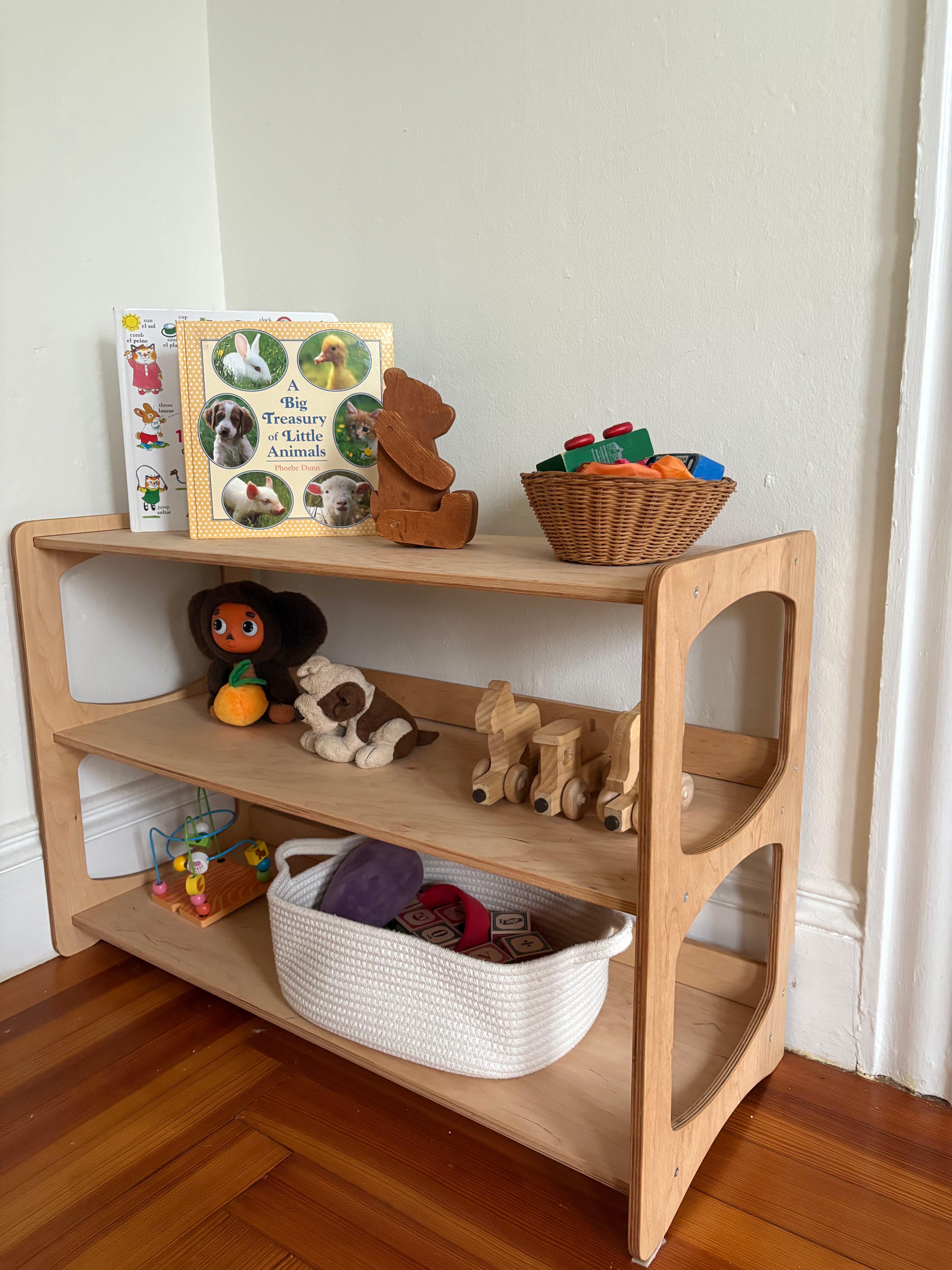
Kids’ toys
It was Kim John Payne who said, “Kids play better when there’s fewer toys,” and I couldn’t agree more. I’m of the belief that kids need very little material things to thrive. As parents, we’re bombarded with all kinds of ‘must haves’ even before our babies are born. But in my experience it’s less (toys, overwhelm, rushing) that opens up room for more (connection, play, discovery) for children.
People gifting children presents that don’t align with the family’s values is another common pain point I get asked about all the time. And who doesn’t feel joy when giving gifts to children? My approach here is similar to what I wrote above in ‘keeping gifts you don’t like.’ Graciously accept the gift and acknowledge the love, let the child play with it, and when the novelty fades or something breaks (which usually happens quickly with the less open-ended, plastic, battery powered type of toys), pass it on or throw it out. Keep shining your light while living simply, and hopefully this will help inform future gifts.
There’s also the question of family asking after their gifts (I know!), and here, I think it’s helpful to introduce them to the concept of toy rotation. Just kindly explain that it doesn’t benefit the child to have every toy out at all times, and that rotating them brings back a sense of novelty, minimizes the overwhelm of too many options, and encourages more play.
Sentimental items
For sentimental items, it helps to set a physical boundary like a single bin for baby clothes, a box for your children’s artwork, a binder for meaningful letters and certificates. Once it’s full, something has to be re-evaluated and thoughtfully let go. That boundary allows you to keep the pieces that truly matter without letting sentimentality overflow into clutter.
Buying ‘storage solutions’
I’ve learned to be very cautious about buying storage solutions. Whenever I find myself ‘in need’ of more containers, it’s usually a sign that I need to reevaluate my possessions instead. Of course, at some point we all need a good basket or jar to contain things. But I’m talking about Storage Solutions™ - the endless acrylic organizers and bins upon bins that promise tidiness, while actually delaying us from dealing with the excess that stressed us out in the first place. Storage containers themselves can become clutter, too.
There’s also that very persistent law of the universe: if you have an empty bin, you will inevitably find something to fill it with.
The guilt of wasting money
It happens to all of us - you look at the pile of items you’re decluttering, and think that this all used to be money. But the money has already been spent, and the only thing you have control of now is whether this item continues to cost you time and space. Which brings me to the next point…


The inflow of stuff
Decluttering will completely transform how you view shopping, the false urgency of sales, gifted ‘freebies’, and the general inflow of stuff into your home. Once you’ve filled up garbage bags upon garbage bags with things you’re decluttering, it’s easier to become more discerning and almost ruthless about what you allow into your home.
Making decluttering a regular practice
Declutter until your home feels like a place that you can handle, and then make decluttering a regular practice. In my experience, it’s not realistic to declutter once and for all, especially if you have a family and kids. But the good news is that all your subsequent decluttering sessions should be much easier after the first, big one, and after learning to be more discerning with the inflow of things into your home.
My preference is decluttering at the turn of each season. Not only does it feel manageable and like enough time passes, but there’s also something about a new season that naturally inspires me to purge and start fresh.
Helpful questions to ask yourself
Here’s a list of thought-provoking questions to ask yourself to make decluttering easier:
Is this item worth the time I spend managing it: storing it, cleaning it, maintaining it?
Have I used this item in the past 2 months (6 months if it’s a seasonal item)?
Does this item’s function or appearance improve my life or does it feel like a nuisance/eyesore every time I interact with it?
Would I remember that I have this item if I come to need it again? Would I know where to find it?
Does this item have a home? If not, can I find it a logical home where it can be easily located?
Is it worth the space it occupies?
Is this object sentimental or just the memory associated with it? Can I preserve it in a different way (like take a photo)?
If this item disappeared, would I notice? How soon?
Am I keeping this object for myself/my immediate family or out of obligation to someone else who doesn’t live here?
Can I easily replace this item (for example, in 20 minutes and for under $20)?
Is this item tied to an old version of myself? Is it holding me back from stepping into the season of life I’m in today?
Start small
To wrap up this post, I’m sharing a few ideas for starting small with decluttering. Whether you’re brand new to it or just need a reset, these bite-sized tasks will help you build momentum quickly.
Ease in by grabbing a trash bag, scanning each room in your house, and getting rid of any obvious trash.
Choose 1-3 drop zones (anywhere you tend to put items as you come and go) in your home and declutter/organize there.
Choose 1-3 flat surfaces in your home to clear and reset, like counters, tops of dressers, nightstands, coffee tables.
Tackle the drawer (or cupboard, or any vessel) that stresses you out every time you open it, like a junk drawer.
Declutter items of clothing you know you don’t wear.
Toss expired products or samples you’ll never use that reside in your bathroom, makeup bag, or vanity.
If you have kids, focus on decluttering toys that are broken/missing pieces, overstimulating, or never played with.
Declutter one expensive thing you regret buying, but have been keeping out of guilt.
Practice letting go of things you’re keeping just in case, especially ones that you can replace easily (for example, in 20 minutes and for under $20).
Declutter your pantry: toss expired ingredients, incorporate ingredients you forgot about into this week’s meals.
Digital declutter: sort through your Screenshots folder, delete duplicate phone photos, unsubscribe from email lists, delete unread emails that you aren’t planning to read, sort through your Downloads folder, delete phone apps that you don’t use, unfollow accounts that don’t inspire you.
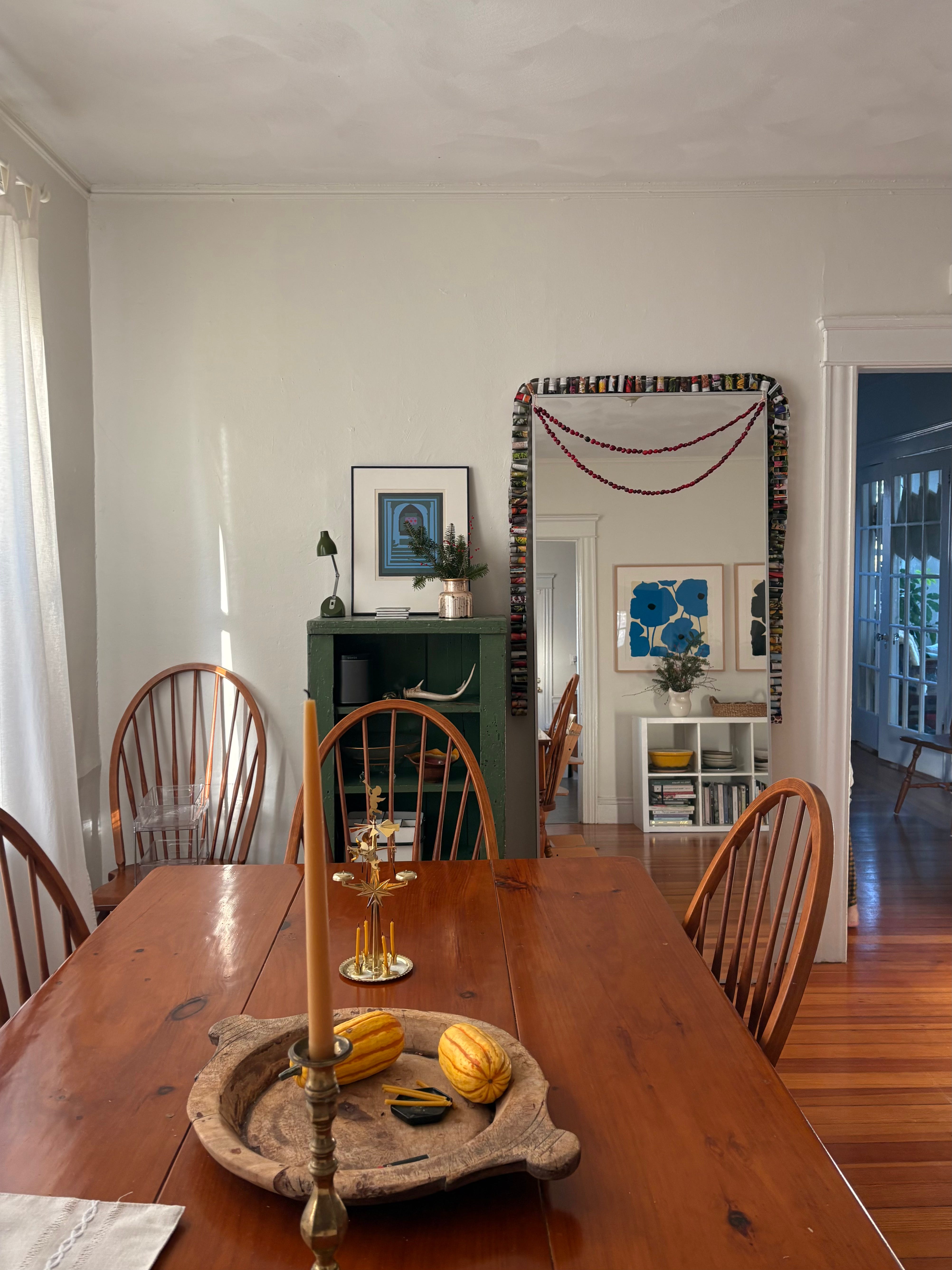
“Clutter is the physical manifestation of unmade decisions fueled by procrastination.” — Christina Scalise

Thank you so much for reading! I’d love to hear your thoughts and any tips you might have on the subject in the comments.
Follow along on Instagram for more ideas on simple living and mindful spending. This is the budget spreadsheet I use to track our spending in one calm, organized place (MASHA10 for 10% off).
If you prefer to skip email updates, toggle ‘in app only.’
From the archives:
Let's Design a Cleaning Routine that Keeps Your Home Consistently Tidy (without having to think much about it)

Let me guess, you don’t like cleaning, but you love the way a clean and tidy house feels.
Quitting Clothes Shopping Might be the First Step to a Wardrobe You Love

Want to do a wardrobe reset together?
Moving into a small apartment made me totally reconsider how much stuff, and clutter, that I have. Lately, I've been trying to figure out what I can part with to make the next move easier. Some of your tips made it sound so much more manageable!
I have always considered myself someone who kept clutter at a minimum. However, as I have began to consciously monitor my spending habits, I realize I have pockets in my home where I am holding on to more clutter than I realized. Looking forward to mindfully using your process here to clean out these areas and feel a little lighter in my home. Thank you!